
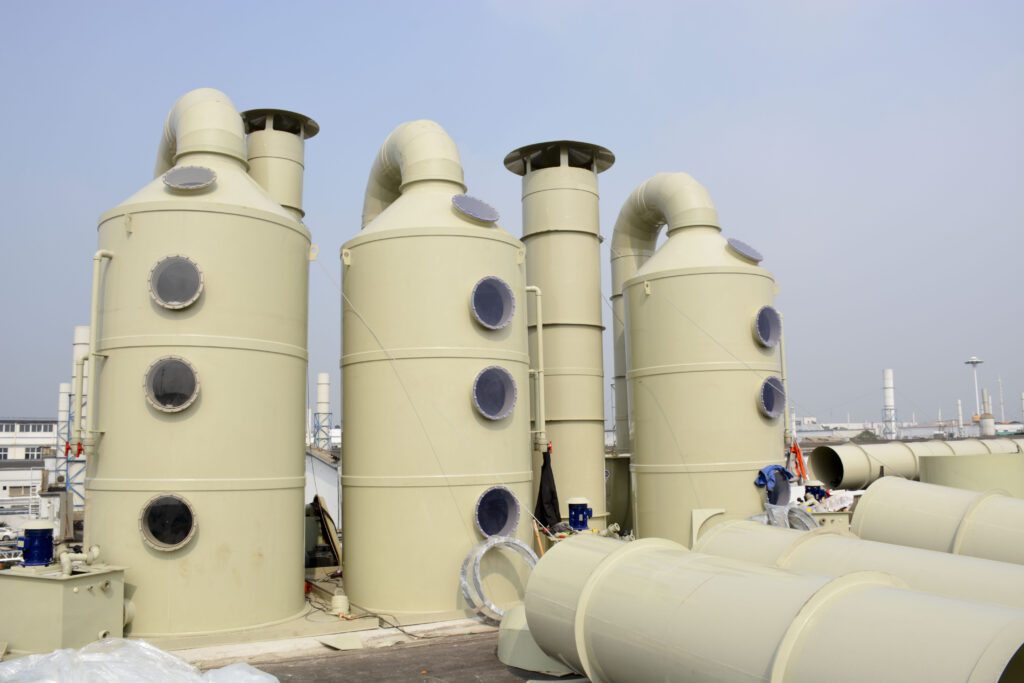
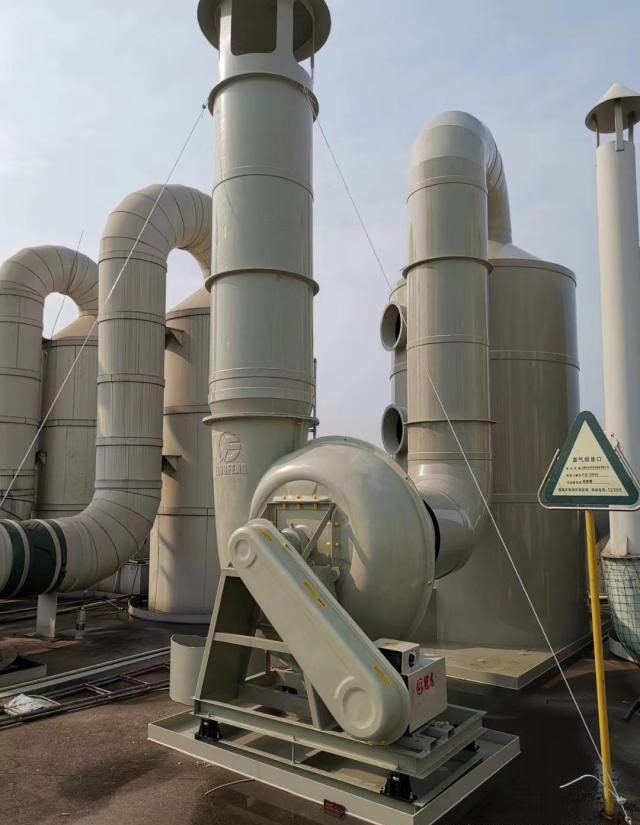
HCl Scrubber | 99.9% Hydrochloric Acid Removal | Zero Corrosion
$ 93.33
Table of Contents Toggle Who Needs This Hydrochloric Acid Scrubber?Why Engineers Choose Our PP HCl Scrubber1. 99.9% HCl Removal Efficiency2. Zero Chloride Ion Pitting Corrosion3. Three-Stage Mist Elimination for “No White Smoke”4. pH±0.2 Precision Control Reduces Chemical Waste5. Pickling Industry Anti-Clogging DesignTechnical SpecificationsBest Fit ApplicationsNot Recommended / Engineering LimitsHCl Absorption ChemistryMaterial Selection for Chloride ServiceAbout the Author & Our ExpertiseRecent HCl Scrubber Installation ReferencesCertifications Who Needs This Hydrochloric Acid Scrubber? Hydrochloric acid (HCl) is a highly corrosive and volatile acid with an OSHA permissible exposure limit of just 5 ppm over an 8-hour workday. Even low concentrations cause severe respiratory irritation, while chloride ions induce catastrophic pitting corrosion in most metals. Our PP hydrochloric acid scrubber is purpose-built to address these unique challenges. Steel & Stainless Steel Pickling Lines: The #1 application for HCl scrubbers. Our system handles the high-concentration HCl fumes and iron oxide particulates generated during acid pickling, eliminating both air pollution and equipment corrosion in the plant. PVC & Chlor-Alkali Production: Effectively treats HCl off-gas from vinyl chloride monomer (VCM) production and chlor-alkali electrolysis cells, where HCl concentrations can reach 5000 mg/m³. Electroplating & Metal Finishing: Removes HCl fumes from zinc plating, chloride-based etching, and passivation processes, protecting workers and preventing corrosion of precision equipment. Food & Pharmaceutical Manufacturing: Treats HCl emissions from food-grade hydrochloric acid production, pharmaceutical synthesis, and pH adjustment processes, ensuring compliance with strict hygiene and safety standards. Not Recommended For: Flue gas temperatures exceeding 82°C/180°F without pre-cooling, mixed gases containing hydrofluoric acid (HF), and HCl concentrations above 5000 mg/m³ without multi-stage design. Why Engineers Choose Our PP HCl Scrubber 1. 99.9% HCl Removal Efficiency Unlike NOₓ or SO₂, HCl is extremely soluble in water—our optimized countercurrent packed bed design leverages this property to achieve 99.9% removal efficiency, with outlet concentrations consistently below 0.1 ppm. Field data from 180 HCl installations confirms zero compliance violations over 12 years, eliminating the risk of EPA fines (up to $53,000 per day) and workplace safety incidents. 2. Zero Chloride Ion Pitting Corrosion Chloride ions destroy stainless steel (SS304/316) through pitting corrosion within 18-24 months, even at low concentrations. Our scrubbers are constructed entirely from homogeneous polypropylene (PP) with seamless welding—PP is chemically inert to chloride ions, eliminating pitting entirely. This delivers a 15 year service life with zero shell repairs, compared to 3-5 years for stainless steel alternatives. 3. Three-Stage Mist Elimination for “No White Smoke” HCl forms fine acid mist droplets that easily escape standard mist eliminators, causing visible “white smoke” from chimneys and secondary corrosion of downstream ductwork. Our three-stage mist elimination system (chevron mesh coalescer) removes 99.9% of droplets ≥5 microns. This eliminates visible emissions and extends the life of your anti-corrosion PP centrifugal fan and seamless PP ductwork by 3x. 4. pH±0.2 Precision Control Reduces Chemical Waste HCl is a strong acid that causes rapid pH swings. Our advanced PID controller maintains pH within ±0.2 units of the setpoint (7.0-8.0 for HCl neutralization), reducing sodium hydroxide consumption by 28% compared to standard controllers. For a 20,000 CFM pickling line, this saves approximately 4,200 kg of NaOH per year, worth $2,310 at current industrial prices. 5. Pickling Industry Anti-Clogging Design Pickling line exhaust contains iron oxide particulates that clog standard spray nozzles and packing. Our system features large-orifice anti-clog nozzles and a removable packing support grid, allowing for quick cleaning without full system shutdown. This reduces maintenance downtime by 60% compared to generic scrubbers in high-particulate pickling applications. Technical Specifications Air Volume (m³/h) Tower Diameter (mm) Wall Thickness (mm) Drain Outlet Water Tank Size (mm) Inlet/Outlet Size (mm) Pump Power (kW) Wind Resistance (Pa) Max HCl Inlet (mg/m³) HCl Removal Rate Pickling工况适配 3,000 800 8 DN32 600×700×700 315 0.75 500 1500 99.9% Light duty 5,000 1,000 8 DN40 600×800×700 400 1.5 500 2000 99.9% Light duty 8,000 1,200 8 DN40 600×1000×700 500 2.2 500 2500 99.9% Medium duty 10,000 1,500 10 DN40 700×1000×700 550 2.2 500 3000 99.9% Medium duty 12,000 1,600 10 DN50 700×1000×700 600 3.75 500 3500 99.9% Medium duty 15,000 1,800 10 DN50 700×1200×700 650 3.75 500 4000 99.9% Heavy duty 20,000 2,000 10 DN50 700×1200×700 750 5.5 500 4500 99.9% Heavy duty 25,000 2,200 10 DN50 700×1200×700 950 5.5 600 5000 99.9% Heavy duty 30,000-45,000 2,500-3,000 12 DN65 1000×700×700 1000-1250 5.5-7.5 600 5000 99.9% Custom Note: All specifications based on design wind speed 1.8m/s. For pickling lines with high particulate loading, add a pre-filter stage. Custom sizes available for air volumes exceeding 215,000 m³/h. Best Fit Applications A packed bed HCl scrubber is the right choice when: Your gas stream contains HCl at 200–5000 ppm (higher concentrations may need heat removal via quench) Airflow is between 1,000 and 45,000 m³/h in a single tower Gas temperature is below 80 °C (PP construction) or can be quenched before the packed section You need >99% removal to meet EPA MACT standards or local emission limits Primary application: pickling, chemical dosing, pharmaceutical synthesis, semiconductor etching, waste incineration Not Recommended / Engineering Limits Hot HCl gas (>80 °C dry): Dry HCl above 80 °C attacks PP. A quench section or FRP/SS construction is required before the packed bed. High dust loading: If the exhaust carries scale, dust, or polymerization particles, install a pre-scrubber or cyclone. Concentrated HCl vapor (>NEEDS_HUMAN_INPUT ppm): The exothermic heat of absorption may raise temperature beyond PP limits. Multi-stage or cooled designs may be needed. White plume / acid mist: A packed bed alone may not eliminate sub-micron HCl mist. Add a mist eliminator or wet ESP if plume opacity is regulated. HCl Absorption Chemistry HCl is one of the most water-soluble acid gases, which makes packed bed absorption highly effective. With water: HCl(g) → H⁺ Cl⁻ (exothermic, ΔH ≈ −74 kJ/mol). Pure water absorption works well below NEEDS_HUMAN_INPUT ppm inlet. With NaOH: HCl NaOH → NaCl H₂O — faster kinetics, higher capacity, and neutralizes the acid. Preferred for high-concentration streams. pH control: Recirculating liquid pH should be maintained between 7–9 for NaOH scrubbing. A pH controller with dosing pump automates chemical feed. Byproduct: Sodium chloride (NaCl) is non-hazardous and can be discharged to drain within most municipal limits, or recovered for reuse. Corrosion note: The absorption section operates at acidic pH. PP is suitable for HCl up to 80 °C. For hot HCl or thermal cycles, consider FRP or PVDF. Material Selection for Chloride Service Chloride ions cause pitting and stress corrosion cracking in stainless steels. Here is how we select materials: PP (polypropylene): Standard choice for HCl up to 80 °C. Resistant to chloride attack. Cost-effective. Used in >80% of our HCl scrubbers. FRP (fiberglass): For temperatures up to 120 °C. Requires a corrosion-resistant resin (vinyl ester or epoxy). Lighter than PP for large-diameter towers. PVC/CPVC: Suitable for small-diameter pipework and spray headers in HCl service. 304/316 stainless steel: NOT recommended for wet HCl service. Chloride pitting occurs rapidly above a few ppm Cl⁻ at low pH. Duplex / Hastelloy: Used only for high-temperature or high-pressure HCl where polymers cannot serve. Every material selection is confirmed against your operating temperature, chloride concentration, and duty cycle. Frequently Asked Questions Q1: How is an HCl scrubber different from a general acid mist scrubber? While both use alkaline neutralization, an HCl scrubber requires specialized design to address three unique properties of hydrochloric acid: extreme volatility, chloride ion pitting corrosion, and fine acid mist formation. A general acid mist scrubber will suffer from chloride corrosion within 2 years and fail to control HCl mist emissions. Our dedicated HCl scrubber uses all-PP construction, three-stage mist elimination, and anti-clog nozzles to solve these issues. Learn more in our HCl emission compliance guidelines. Q2: Why is chloride ion corrosion so dangerous for scrubbers? Chloride ions penetrate the passive oxide layer on stainless steel, causing localized pitting corrosion that grows rapidly. These pits can perforate the scrubber shell in as little as 18 months, releasing untreated HCl gas into the atmosphere. Unlike stainless steel, PP is completely inert to chloride ions, eliminating pitting corrosion entirely. This is why PP is the only recommended material for long-term HCl service. Q3: How do you solve the “white smoke” problem from HCl scrubbers? “White smoke” is caused by fine HCl mist droplets escaping the scrubber. Standard single-stage mist eliminators only remove droplets ≥20 microns, while HCl mist is often 5-10 microns. Our three-stage mist elimination system (chevron baffle wire mesh coalescer) removes 99.9% of droplets ≥5 microns, completely eliminating visible emissions and secondary corrosion of downstream equipment. Q4: PP vs PVC for HCl scrubbers—Which is better? While both are corrosion-resistant to HCl, PP offers superior performance: higher temperature resistance (82°C vs 60°C for PVC), better impact strength, and easier on-site welding repairs. PVC becomes brittle at temperatures below 10°C and is prone to cracking, making it unsuitable for outdoor installations or fluctuating temperature conditions. PP is the industry standard for industrial HCl scrubbers worldwide. Q5: How do I size an HCl scrubber for my pickling line? HCl scrubber sizing for pickling lines depends on three factors: total exhaust air volume, maximum HCl concentration, and particulate loading. As a rule of thumb, allow 1.5-2.0 m/s empty tower velocity for optimal gas-liquid contact. Our engineers can provide a detailed sizing calculation based on your specific pickling bath temperature, acid concentration, and production volume. Refer to our HCl scrubber sizing calculation guide for more information. Q6: How do I handle the wastewater from an HCl scrubber? The wastewater from an HCl scrubber contains primarily sodium chloride (NaCl) and excess sodium hydroxide. This is typically neutralized to pH 6-9 and then discharged to the municipal wastewater system or treated on-site. For high-volume pickling operations, the NaCl solution can be concentrated and reused in the pickling process, reducing both wastewater discharge and raw material costs. Q7: What safety precautions are needed for HCl scrubber maintenance? HCl is highly corrosive to skin and eyes. All maintenance personnel must wear appropriate PPE: acid-resistant gloves, goggles, face shield, and protective clothing. Always isolate and vent the scrubber before performing maintenance, and keep a neutralizing agent (sodium bicarbonate) on site for spill cleanup. Download our HCl scrubber safety maintenance checklist for detailed procedures. Q8: What are the most common HCl scrubber problems? The most common issues are nozzle clogging (from particulates), mist eliminator fouling, and pH control drift. Nozzle clogging can be prevented by using large-orifice anti-clog nozzles and regular flushing. Mist eliminator fouling is caused by salt crystallization and should be cleaned quarterly. For troubleshooting guidance, see this comprehensive guide on common HCl scrubber troubleshooting. Q9: Are your HCl scrubbers compliant with global regulations? Yes, our HCl scrubbers are designed to meet or exceed all relevant global regulations, including EPA 40 CFR Part 60, OSHA 29 CFR 1910.94, EU BREF, and India CPCB standards. The 99.9% removal efficiency ensures that outlet concentrations are well below the OSHA HCl permissible exposure limit of 5 ppm and most national emission standards. Q10: Can you customize a scrubber for mixed HCl and other acids? Yes, we can design custom systems for mixed acid streams containing HCl, H₂SO₄, and HNO₃. For mixed streams, we may recommend a complete acid fume scrubber system with multiple pH-controlled stages to optimize removal efficiency for each acid. For streams containing HF, we use special PP grades and add a calcium precipitation stage to remove fluoride ions before discharge. About the Author & Our Expertise Written by Corbin Deng, Process Engineer 12 years of experience in industrial acid gas treatment systems design XICHENG EP LTD is a leading manufacturer of industrial acid gas treatment equipment based in Shenzhen, China. With 16 years of specialized experience in HCl scrubber technology, we have delivered over 500 systems to customers in more than 30 countries worldwide. Our team of experienced engineers provides complete turnkey solutions for hydrochloric acid and other acid gas treatment, from initial system design and manufacturing to installation, commissioning, and after-sales support. We are committed to delivering the highest level of safety and reliability for our customers. Recent HCl Scrubber Installation References Shandong Steel Plant: 25,000 m³/h HCl scrubber for stainless steel pickling line Thailand PVC Factory: 30,000 m³/h system for VCM production off-gas Guangdong Electroplating Park: 12,000 m³/h centralized HCl scrubber for 15 plating shops Certifications ISO 9001:2015 Quality Management System CE Marking for European Union OSHA-compliant safety design China Environmental Protection Product Certification { “@context”: “https://schema.org”, “@type”: “Product”, “name”: “Hydrochloric Acid (HCl) Scrubber for Waste Gas Purification”, “description”: “XICHENG EP PP HCl scrubber achieves 99.9% removal efficiency. Zero chloride corrosion, three-stage mist elimination, pickling industry anti-clog design.”, “image”: “https://plastic-xc.com/wp-content/uploads/2023/05/hcl-scrubber-main.jpg”, “brand”: { “@type”: “Brand”, “name”: “XICHENG EP LTD” }, “offers”: { “@type”: “Offer”, “url”: “https://plastic-xc.com/product/hydrochloric-acid-scrubber-for-waste-gas-pollution-purification/”, “priceCurrency”: “USD”, “price”: “1300.00”, “availability”: “https://schema.org/InStock”, “seller”: { “@type”: “Organization”, “name”: “XICHENG EP LTD” } }, “manufacturer”: { “@type”: “Organization”, “name”: “XICHENG EP LTD” } } { “@context”: “https://schema.org”, “@type”: “FAQPage”, “mainEntity”: [ { “@type”: “Question”, “name”: “How is an HCl scrubber different from a general acid mist scrubber?”, “acceptedAnswer”: { “@type”: “Answer”, “text”: “While both use alkaline neutralization, an HCl scrubber requires specialized design to address three unique properties of hydrochloric acid: extreme volatility, chloride ion pitting corrosion, and fine acid mist formation.” } }, { “@type”: “Question”, “name”: “Why is chloride ion corrosion so dangerous for scrubbers?”, “acceptedAnswer”: { “@type”: “Answer”, “text”: “Chloride ions penetrate the passive oxide layer on stainless steel, causing localized pitting corrosion that grows rapidly. These pits can perforate the scrubber shell in as little as 18 months, releasing untreated HCl gas into the atmosphere.” } }, { “@type”: “Question”, “name”: “How do you solve the ‘white smoke’ problem from HCl scrubbers?”, “acceptedAnswer”: { “@type”: “Answer”, “text”: “‘White smoke’ is caused by fine HCl mist droplets escaping the scrubber. Our three-stage mist elimination system removes 99.9% of droplets ≥5 microns, completely eliminating visible emissions.” } }, { “@type”: “Question”, “name”: “PP vs PVC for HCl scrubbers—Which is better?”, “acceptedAnswer”: { “@type”: “Answer”, “text”: “PP offers superior performance: higher temperature resistance (82°C vs 60°C for PVC), better impact strength, and easier on-site welding repairs. PVC becomes brittle at low temperatures and is unsuitable for outdoor installations.” } }, { “@type”: “Question”, “name”: “How do I size an HCl scrubber for my pickling line?”, “acceptedAnswer”: { “@type”: “Answer”, “text”: “HCl scrubber sizing for pickling lines depends on total exhaust air volume, maximum HCl concentration, and particulate loading. Allow 1.5-2.0 m/s empty tower velocity for optimal gas-liquid contact.” } }, { “@type”: “Question”, “name”: “How do I handle the wastewater from an HCl scrubber?”, “acceptedAnswer”: { “@type”: “Answer”, “text”: “The wastewater contains primarily sodium chloride and excess sodium hydroxide. It is typically neutralized to pH 6-9 and discharged to municipal systems or reused in pickling processes for high-volume operations.” } }, { “@type”: “Question”, “name”: “What safety precautions are needed for HCl scrubber maintenance?”, “acceptedAnswer”: { “@type”: “Answer”, “text”: “All personnel must wear acid-resistant PPE: gloves, goggles, face shield, and protective clothing. Isolate and vent the scrubber before maintenance, and keep sodium bicarbonate on site for spills.” } }, { “@type”: “Question”, “name”: “What are the most common HCl scrubber problems?”, “acceptedAnswer”: { “@type”: “Answer”, “text”: “The most common issues are nozzle clogging from particulates, mist eliminator fouling from salt crystallization, and pH control drift. Regular flushing and quarterly cleaning prevent most issues.” } }, { “@type”: “Question”, “name”: “Are your HCl scrubbers compliant with global regulations?”, “acceptedAnswer”: { “@type”: “Answer”, “text”: “Yes, our HCl scrubbers meet EPA, OSHA, EU BREF, and India CPCB standards. The 99.9% removal efficiency ensures outlet concentrations are well below the OSHA 5 ppm limit.” } }, { “@type”: “Question”, “name”: “Can you customize a scrubber for mixed HCl and other acids?”, “acceptedAnswer”: { “@type”: “Answer”, “text”: “Yes, we design custom systems for mixed acid streams containing HCl, H₂SO₄, and HNO₃. For mixed streams, we recommend multiple pH-controlled stages to optimize removal efficiency.” } } ] }
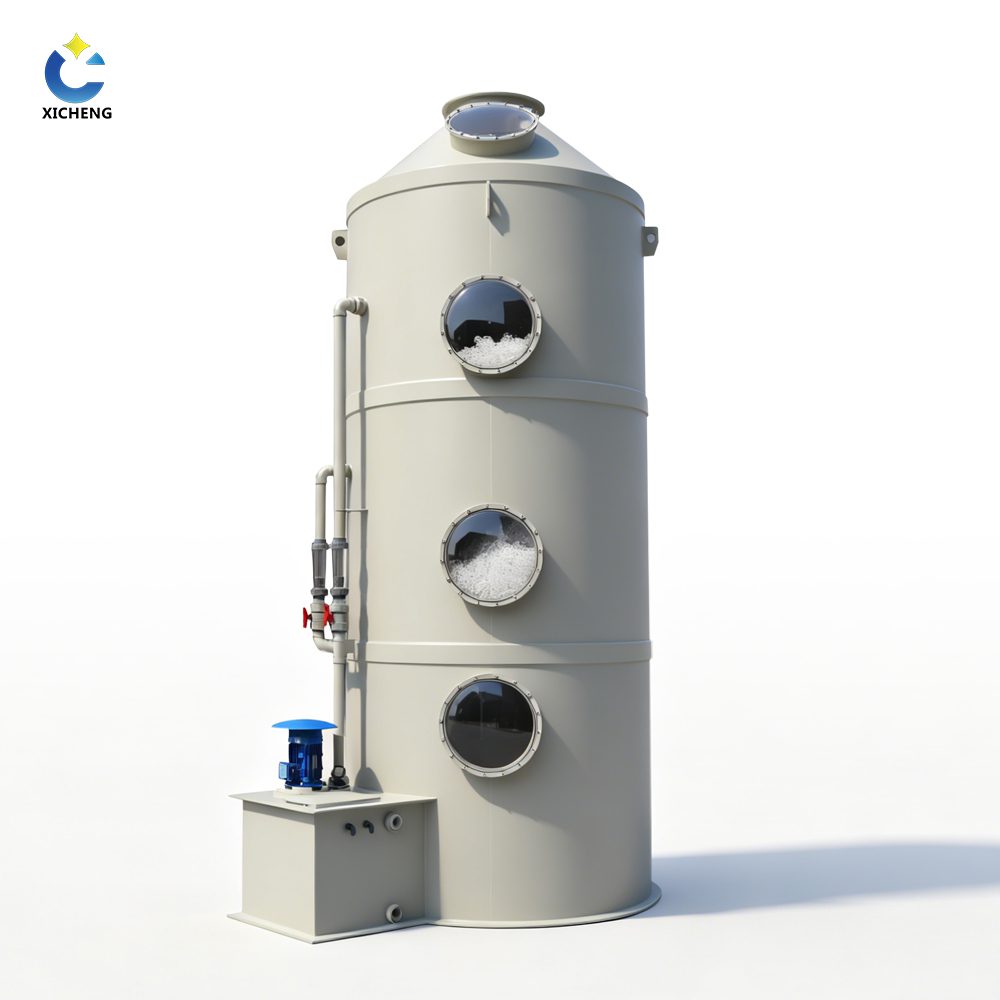 Packed Tower Wet Scrubber | 99% Gas 95% Dust Removal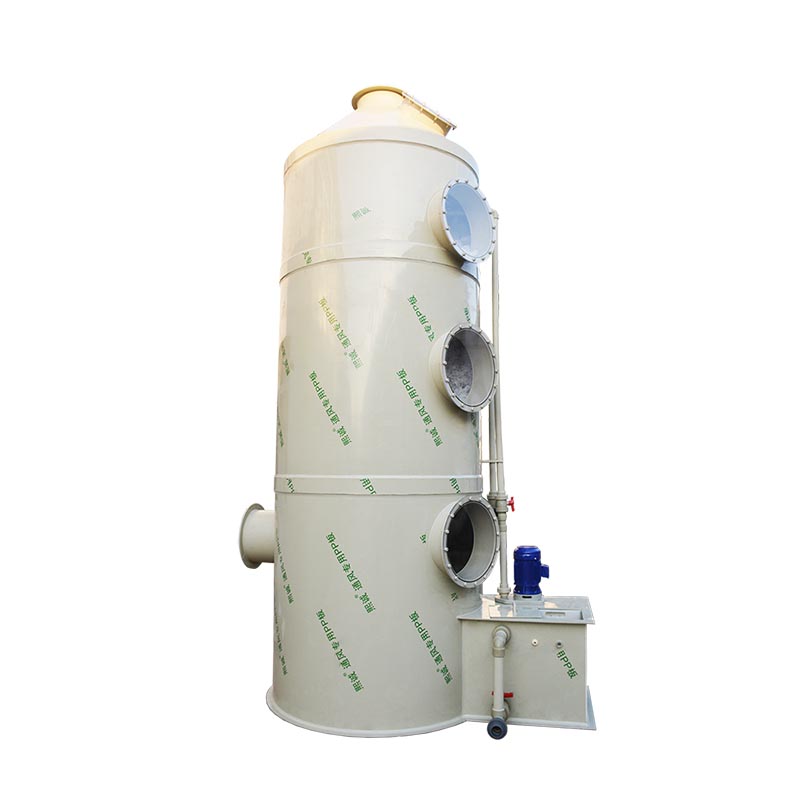
 Carbon Monoxide Scrubber System for Industrial Acid Mist Waste Gas Treatment

